Introduction
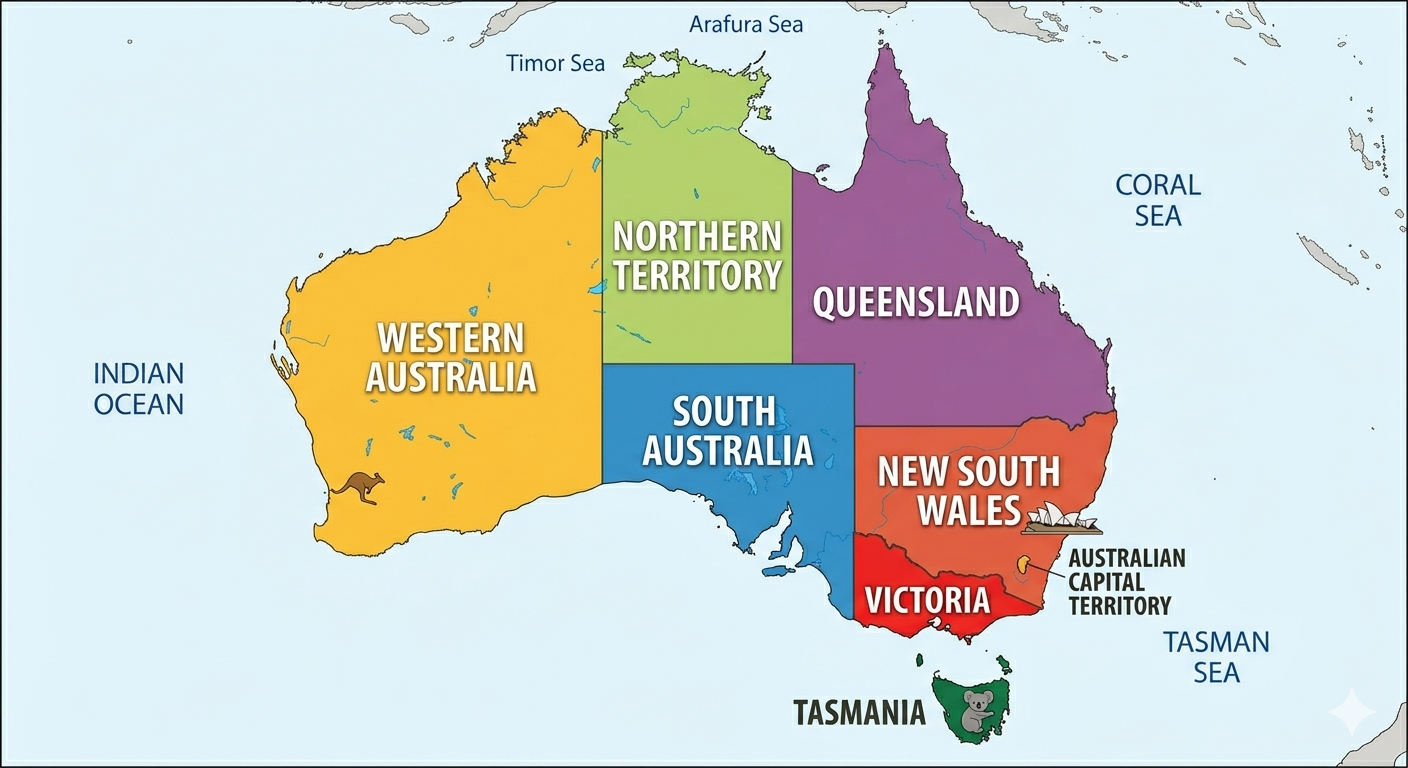
The Skilled Nominated visa, commonly known as the subclass 190 visa, is a permanent skilled visa for people nominated by an Australian state or territory government.
For many international students and skilled workers, the 190 visa is an important pathway because it connects skilled migration with state and territory workforce needs.
Unlike the subclass 189 visa, the 190 visa involves state or territory nomination. This means applicants need to think not only about their occupation and points, but also about which states may be showing demand.
What Is the Subclass 190 Visa?
The subclass 190 visa is a permanent visa that lets nominated skilled workers live and work in Australia as permanent residents. The Department of Home Affairs describes it as a visa for skilled workers who are nominated by an Australian state or territory government (Department of Home Affairs, Skilled Nominated visa subclass 190).
Because this visa involves nomination, each state and territory may have its own requirements, priorities, occupation lists, and processes.
This is why the 190 pathway can feel confusing for many applicants.
How the 190 Visa Generally Works
The subclass 190 visa usually involves a points-tested and nomination-based process.
In simple terms, an applicant may need to:
- Have an eligible skilled occupation
- Meet relevant skills assessment requirements
- Meet points test requirements
- Submit an Expression of Interest through SkillSelect
- Be nominated by a state or territory government
- Receive an invitation to apply
- Lodge a visa application after invitation
SkillSelect is the Australian Government's online system used for submitting Expressions of Interest for skilled visas, including the subclass 190 visa (Department of Home Affairs, SkillSelect).
Submitting an EOI does not guarantee nomination or invitation.
Why State Nomination Matters
State nomination is the key difference between the 190 visa and the 189 visa.
With the 190 visa, applicants are not only competing based on points. They may also need to match the priorities of a particular state or territory.
This can include factors such as:
- Occupation demand
- Work experience
- Study location
- Residence location
- Employment in the nominated occupation
- State-specific requirements
Because each state can set its own criteria, an occupation that looks promising in one state may be less active in another.
Why State-Based Data Is Important
For the 190 visa, looking at national-level data alone may not be enough.
Applicants may benefit from understanding:
- Which states are inviting certain occupations
- How many active EOIs exist by occupation
- Points distribution across invitations
- Occupation ranking by state
- Whether invitation activity is increasing or slowing down
Tools like OzPath help users explore SkillSelect data in a more visual way, including occupation insights and state-based views where available.
This can help users move away from guesswork and better understand how their occupation appears in the current data.
Who Might Look at the 190 Visa?
The 190 visa may be relevant for skilled workers or international graduates who want to explore a permanent skilled visa pathway and may be open to state or territory nomination.
However, whether this pathway is suitable depends on individual circumstances, including:
- Occupation
- Skills assessment
- Points score
- English results
- State requirements
- Work experience
- Current nomination priorities
This is why many applicants choose to speak with a registered migration agent before relying on a specific pathway.
Common Misunderstandings About the 190 Visa
Some common misunderstandings include:
- Thinking every state has the same requirements
- Assuming nomination is automatic if the occupation is listed
- Looking only at points and ignoring state priorities
- Assuming invitation trends will stay the same
- Ignoring whether an occupation is active in a specific state
The 190 visa can be a strong pathway, but it requires careful planning and awareness of state-based differences.
How OzPath Helps Users Understand the 190 Pathway
OzPath helps users explore the 190 pathway by providing:
- SkillSelect data visualisations
- State-based occupation insights
- Active EOI data
- Invitation rankings
- Points distribution charts
- Personalised profile inputs
- OzPal AI guidance for general information
- Access to licensed migration agents through the marketplace
OzPath does not provide migration advice directly. Instead, it helps users understand data and connect with licensed professionals when personalised advice is needed.
When to Speak With a Migration Agent
The 190 visa can involve state-specific rules and changing nomination priorities.
Users may want professional advice if they are unsure about:
- Which state nomination options may apply
- Whether their occupation is suitable
- Skills assessment requirements
- Employment or residence requirements
- Partner or family considerations
- How to interpret state nomination criteria
The Office of the Migration Agents Registration Authority explains that registered migration agents can assist with visa options, applications, and complex circumstances (Office of the Migration Agents Registration Authority).
OzPath's agent marketplace allows users to connect with licensed migration agents and view their MARN details.
Conclusion
The subclass 190 visa is a permanent skilled visa pathway based on state or territory nomination.
It can be a valuable option for skilled workers and international graduates, but it requires more than simply checking points. Applicants may need to understand state-specific priorities, occupation demand, SkillSelect trends, and nomination requirements.
OzPath helps simplify this by turning SkillSelect data into clear visual insights and connecting users with licensed migration agents when they need professional support.
Explore 190 visa data with OzPath. Compare occupation invitations, active EOIs, and state-based trends.
Frequently Asked Questions (FAQs)
Is the subclass 190 visa a permanent visa?
Yes. The subclass 190 visa is a permanent skilled visa for eligible applicants nominated by an Australian state or territory government.
Does the 190 visa require state nomination?
Yes. State or territory nomination is a key part of the subclass 190 visa.
Is submitting an EOI enough for the 190 visa?
No. Submitting an EOI does not guarantee nomination or invitation.
Why does state-based data matter for the 190 visa?
State-based data can help users understand which occupations are showing activity in different states and territories. However, historical data does not guarantee future outcomes.
Can OzPath give migration advice about the 190 visa?
OzPath provides general information, data visualisations, AI-assisted guidance, and access to licensed migration agents. Personalised migration advice should come from a registered migration agent or qualified legal professional.
References
Department of Home Affairs. Skilled Nominated visa - Subclass 190.
https://immi.homeaffairs.gov.au/visas/getting-a-visa/visa-listing/skilled-nominated-190
Department of Home Affairs. SkillSelect.
https://immi.homeaffairs.gov.au/visas/working-in-australia/skillselect
Department of Home Affairs. State and territory nomination allocations.
https://immi.homeaffairs.gov.au/what-we-do/state-and-territory-nomination-allocations
Office of the Migration Agents Registration Authority. How registered migration agents can help.
https://www.mara.gov.au/get-help-with-a-visa/help-from-registered-agents/how-registered-agents-can-help
Disclaimer
This article is for general information only. It does not constitute migration advice, legal advice, financial advice, or professional advice.
OzPath provides general information, data visualisations, AI-assisted guidance, and access to licensed migration agents. OzPath does not assess individual visa eligibility, recommend a specific visa pathway, guarantee nomination, guarantee an invitation, or guarantee a visa outcome.
Migration laws, visa requirements, SkillSelect settings, occupation lists, state nomination requirements, invitation rounds, and processing arrangements can change. Users should always check official Australian Government sources and seek advice from a registered migration agent or qualified legal professional before making decisions based on their personal circumstances.